Case studies
Crisis management
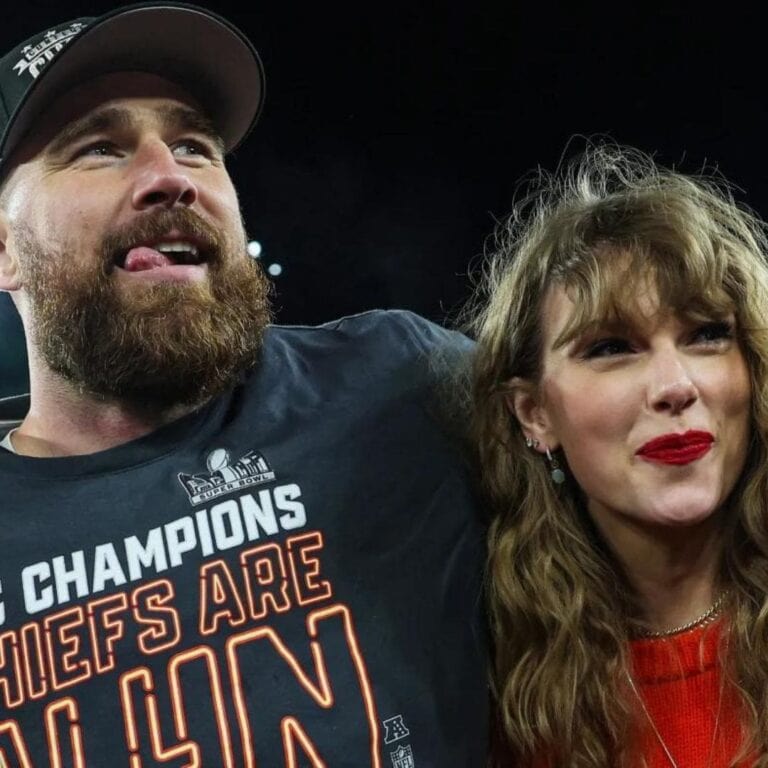
Taylor Swift Got Booed at the Super Bowl – Who’s to Blame?
Share this article:

It is February 2025, and a girl decides to go support her boyfriend, who is hoping to win his third consecutive Lombardi Trophy with his team. What was the worst that could happen? Well, besides them not winning, of course.
Turns out, when the girlfriend is pop superstar Taylor Swift… everything. Now, if you’re not aware (though I highly doubt that), nope, she didn’t do anything wild at the 2025 Super Bowl; she didn’t crash the halftime show or announce Reputation (Taylor’s Version) mid-game. She just sat there, eating ridiculously overpriced nachos, and somehow, that was enough to make 70,000 fans boo like she’d swapped the football with a Grammy. If it was just the booing, it could have been fine, but the media onslaught and everything that followed is a case study in itself.

How did we get here? Let’s break it down. It’s a perfect mix of NFL overkill, relentless camera cuts, and media opportunism – and spoiler alert: a PR masterclass on what not to do (NFL, take notes).
Oh, and before starting, we are about to serve numbers today, so be ready!
The NFL needs to start reading the room
(You know when a song is overplayed so much that you start hating it? That’s what the NFL did with Taylor Swift.)
So, what exactly happened? The NFL’s Taylor Swift experiment started as a ratings dream but turned into a case of overexposure by the 2025 Super Bowl. It all began when Swift first appeared at the September 2023 Chiefs- Bears game, where a single genuine reaction shot of her cheering went viral, racking up millions of views across NFL social media. Fans loved this organic moment—it felt special, unexpected, and authentic.
Then, greed entered the chat. By October 2023, the league had turned Swift’s appearances into a full-on marketing strategy. Every Chiefs game had at least 3-4 Taylor and Traviz cuts. The tipping point? The highly anticipated November 2023 Chiefs-Eagles matchup. That night, cameras cut to Swift 12+ times, including reactions to routine plays, while announcers mentioned her 27 times, per The Athletic. Fox Sports even played Swift’s “Love Story” during a touchdown animation, blending football with what felt like fan fiction. The most credible source here, Travis himself, felt the NFL is ‘overdoing it a bit’.
The backlash was immediate. #LetUsWatchFootball trended with 83,000+ tweets after the Eagles game as fans revolted against the constant cutaways. What started as a perfect daydream became a PR nightmare for the NFL. They prioritized viral moments over maintaining the integrity of the game and failed to integrate Swift’s presence meaningfully. Instead of letting the connection unfold naturally, the NFL pushed it to the point of over-commercialization, ignoring clear audience fatigue signals.
By the time the 2025 Super Bowl arrived, the damage was done. Sports Business Journal logged 9+ forced Jumbotron cutaways to Swift, and YouGov found that 61 per cent of viewers felt the coverage was excessive.
This became a case study of how over-commercializing an authentic fan moment can breed resentment. The lesson for PR professionals? Organic integrations can work wonders, but understanding audience sentiment is even more crucial. As ESPN’s PR Week analysis put it, ‘The NFL crossed the line from celebration to exploitation by November 2023—and spent the next year paying the price.
Misogyny in sports? Haha, that’s a first
NFL crowds would boo a fire alarm if it went off during the third down. But somehow, Taylor Swift’s presence in a stadium became an even bigger controversy. The frustration wasn’t just about camera cutaways; itBecause anything can be politics tapped into a long-running trend of how women in sports spaces are received.
Brittany Mahomes got heat for celebrating too enthusiastically on the sidelines. Olivia Culpo wore a bold outfit to a 49ers game and was called “distracting.” Meanwhile, Justin Timberlake and Ben Affleck can cheer, yell, and exist at games without anyone questioning their presence. See the pattern?
The numbers do. Travis Kelce’s endorsements shot up 22 per cent post-Swift, while female partners of athletes get three times more negative engagement online during games. Cameras linger longer on female attendees, especially after player mistakes. And social media backlash? It targets WAGs seven times more than male celebrities.
It’s not just football, though. Even Virat Kohli’s wife, Anushka Sharma, had to go through this. The legend is the world’s third most followed sports player, so imagine how much hate it could generate for his wife. She’s a beloved Bollywood actress, but during a rough patch in Kohli’s game (which lasted about three years), the backlash came simply because she showed up to support her husband, and apparently, she brought bad luck for him. (Can you see me face plaming?)
This isn’t about blaming anyone; it’s about recognizing patterns. When a gendered reaction is this predictable, PR and comms teams should plan for it. Proactive measures are key. Not because it should happen but because it will.
Because anything can be politics
Within minutes, the boos became headline news. Fox News ran the article, “Taylor Swift gets booed during Super Bowl; critics suggest it’s about more than football,” asking, “Was this a rejection of celebrity activism in sports?” The outlet framed the boos as a backlash against “liberal politics” in the NFL. President Donald Trump also jumped in, claiming Swift was “BOOED out of the stadium” and tying it to his supporters. But a YouGov poll told a different story—78 per cent of those booing just wanted fewer camera cutaways and more focus on the game.
Other outlets joined in with their own spins:
- The Daily Wire published “Super Bowl Crowd Turns On Taylor Swift,” with the key quote: “Fans made it clear they don’t want politics in football,” linking Swift’s past Democratic endorsements to the backlash.
- Breitbart headlined “Super Bowl Fans Boo Taylor Swift in Apparent Rejection of Woke NFL,” with a key quote: “A win for real Americans over Hollywood elites,” explicitly tying the boos to anti-“woke” sentiment.
- CNN framed the moment with “How Taylor Swift’s Super Bowl moment became a political talking point,” analyzing how right-wing media politicized the reaction, noting, “A non-event turned into a culture war flashpoint.”
The moment took on a life of its own. Some media outlets framed it as a broader cultural divide, while others, like Glamour, analyzed the reaction through a different lens. But the reality? It was a textbook case of how any viral moment can be spun into a political talking point, whether it starts that way or not.
The lesson here is to assume everything can be politicized. Have a neutral, fact-based response ready before the outrage cycle kicks in because once the headlines start flying, the narrative takes on a life of its own.
PR damage control was done right, but maybe humour could’ve helped.
(…..just saying!)
Swift’s approach? Classic ignore and outlast. No press statements, no damage control interviews. Within 48 hours, she shifted focus to the Eras Tour buzz, letting the media frenzy burn out on its own. A solid strategy when time’s on your side.
However, silence had its drawbacks. By not engaging, she allowed the NFL to label her presence as a “distraction,” and sports commentators questioned her place in football. The “Annoying NFL GF” meme took off, with others controlling the story. A well-timed, self-deprecating comment could’ve shifted the focus and defused the narrative before it gained traction. Even a playful roast by Travis and Taylor could’ve worked wonders.

Swift’s strategy was solid, but she missed an opportunity to shape the conversation. Silence kept her out of the spotlight, but humour could’ve made the criticism more manageable. A simple, light-hearted remark could’ve redirected attention to her artistry rather than the drama.
PR strategies, like Chrissy Teigen’s witty responses to trolls, show how humour can turn negativity into positive engagement. Swift could’ve done the same, shifting the narrative with self-aware humour. While silence worked, humour, when used right, can reclaim control of the story. The opportunity was there, and future PR moments might benefit from it.
The big takeaway for PR pros
The Swift Super Bowl saga proves three things. First, overexposure is lethal, even for one of the world’s biggest stars. What started as a fun, organic crossover turned into a case study in audience fatigue, where even casual fans found themselves longing for a Swift-free broadcast. Second, knowing your audience’s limits is key. Football fans have a notoriously low tolerance for distractions, and the NFL’s insistence on making Swift a subplot only fueled their frustration. And finally, politics will always be projected onto celebrities. No matter how neutral the intent, someone will spin it into a culture war moment. So, if you’re in the spotlight, you better have your crisis docs ready before the takes start flying.
The NFL turned Taylor into a marketing prop and got booed for it. Next time? Maybe let the girl enjoy her nachos in peace.
You may also enjoy...
Read more great articles like this, or return to the main articles page…
All is fair in PR and Oscars
A brief history of Oscar campaigning and how Hollywood tactics could work for you. If awards are a sport, then the Oscars are my Superbowl. From a very early age,…

Beyond Borders: Multilingualism and Public Relations
I have always been in awe of people who can speak multiple languages apart from English. Someone closest to me speaks fluent Spanish in addition to his native tongue, English.…

Anti-hero or saviour?
Could the ‘Swifties’ be saving the National Football League? Welcome to my new article series, Lattes & Insights! This is a series where I interview industry experts, influencers, and leaders…